

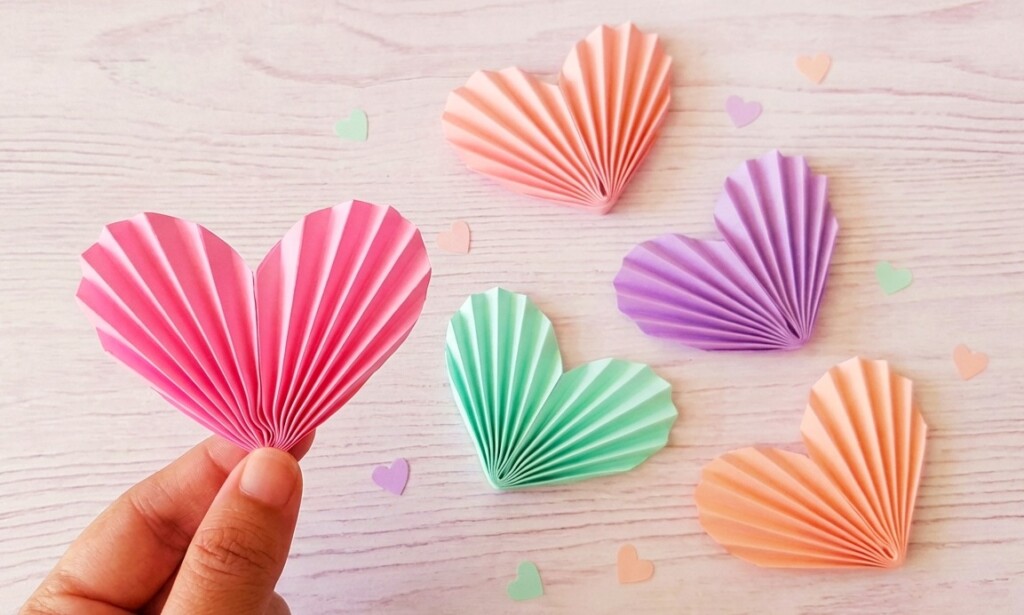
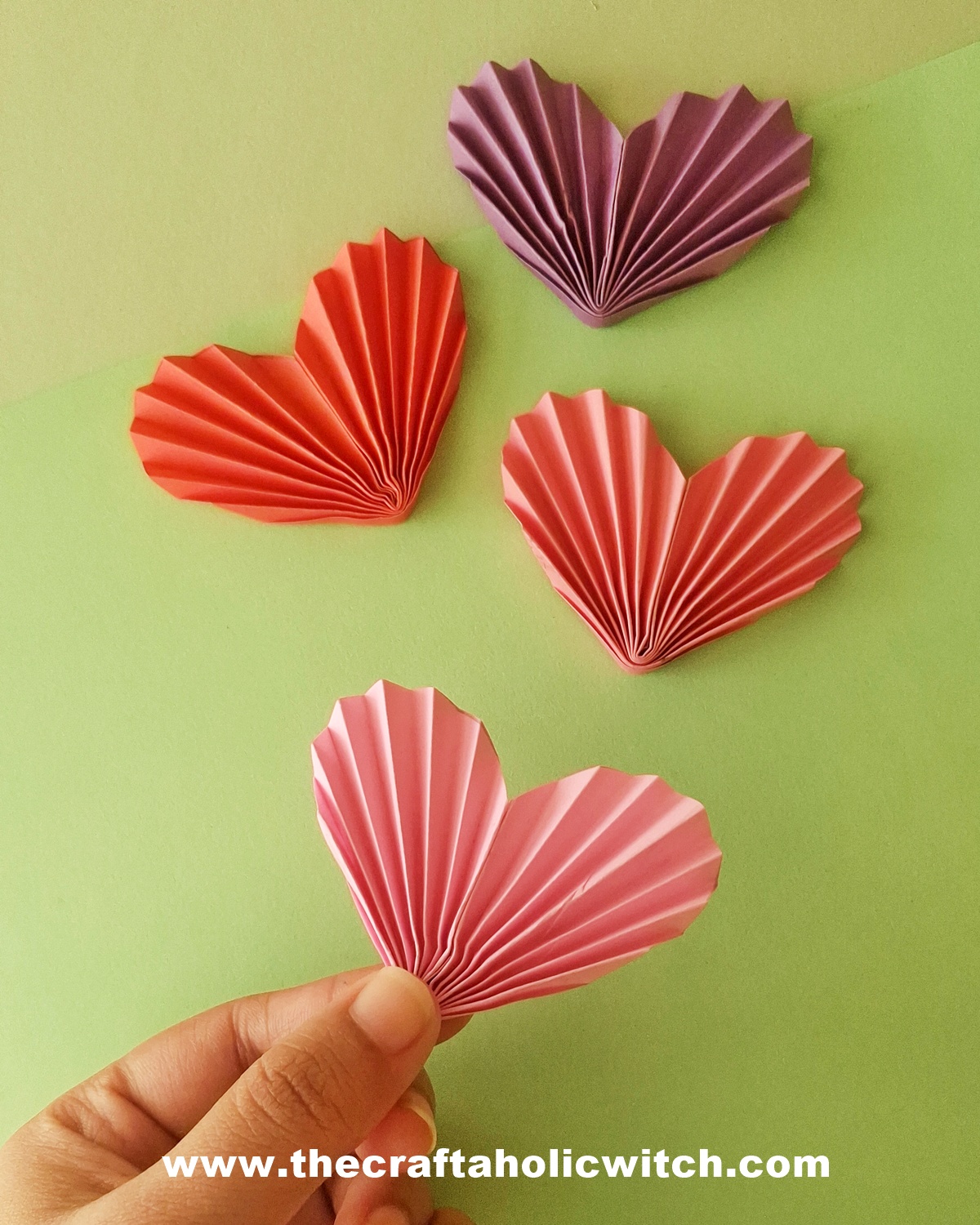
Learn how to make 3D paper hearts for Valentine’s Day with this easy accordion folding tutorial. No template needed! Perfect for kids 6+ years.
Jump to What You Need:
- Video Tutorial – Rather watch than read?
- Step-by-Step Instructions – Let’s make hearts!
You need a Valentine’s Day craft that works for 20 kids at once, uses supplies you already have, and doesn’t create chaos. This 3D paper heart checks all those boxes. I’ve watched classrooms of first-graders successfully make these without meltdowns.
The steps are simple enough for kids to follow independently after you demo once, the folding keeps them focused for a solid 10-15 minutes, and the dimensional result makes them feel accomplished. No glitter, no mess, just paper and a tiny bit of glue.
Project Specifications
Difficulty Level: Beginner-friendly (great first paper folding project)
Cost: Under $2 (using paper you probably already have)
Time: 5-10 minutes per heart
Ages: 8+ years independently, 6-7 with adult help for cutting and gluing
Perfect For
- Valentine’s Day decorations
- Handmade cards and gift toppers
- Classroom party activities
- Quick weekend crafts with kids
- Budget-friendly Valentine’s gifts
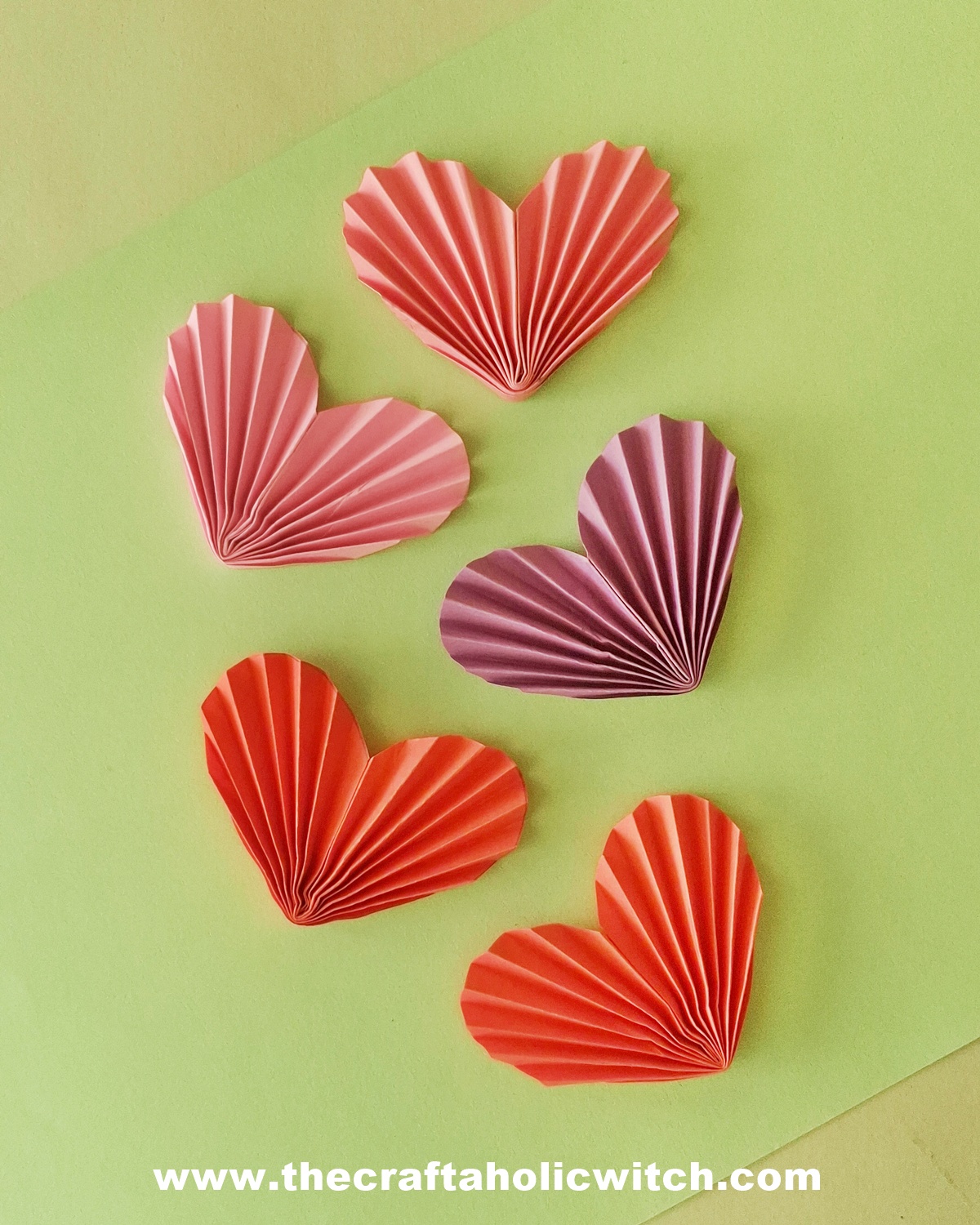
How to Make 3d Paper Hearts
Things You’ll Need
Materials
- Colored craft paper or cardstock (medium weight, 65-80 lb recommended). Regular printer paper is too thin and tears easily when making accordion folds, while heavy cardstock gets too stiff to fold neatly.
- Craft glue or glue stick. You only need a tiny amount to secure the center, so either works fine.
Tools
- Something round to trace (cup, bowl, or jar lid). The size determines your final heart size, so pick based on what you’re making.
- Pencil (for tracing your circle).
- Scissors (kid-safe scissors work fine for craft paper).
Please note that the provided links may include affiliate links, which means that if you make a purchase through them, we may earn a small commission.
Watch First (Or Follow Along!)
Some people are visual learners. If you’d rather see the folds in action before diving into the written steps, watch the complete video tutorial first. Then use the written steps below as your reference guide while you craft.
Don’t forget to subscribe to our channel and tap the bell icon so you never miss any of our Valentine’s Day crafts and paper projects!
Now let’s break down each step with photos and detailed instructions..
Step by Step Instructions for 3d Effect Paper Heart Making
Step 1: Trace and Cut Your Circle
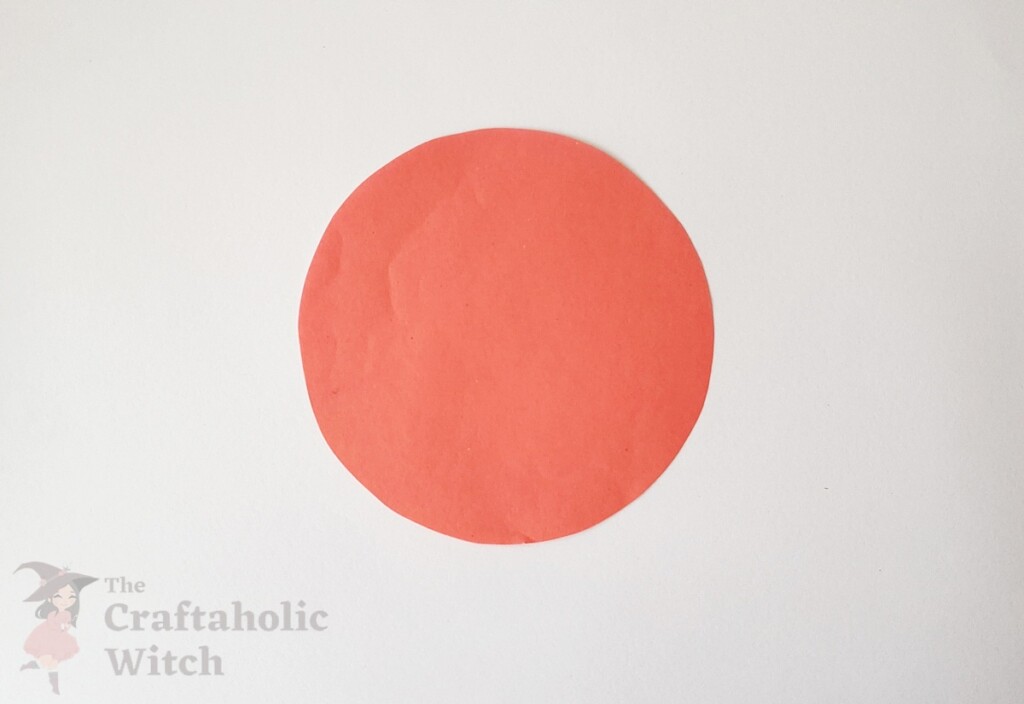
Pick your colored paper and grab something round to trace. A drinking glass works perfectly for medium-sized hearts, while a small bowl makes bigger ones. Use your pencil to trace around the edge, then carefully cut out your circle with scissors.
Note: Cut slowly and follow the line closely. Wobbly circles make wobbly hearts, and kids notice the difference.
Step 2: Make Your First Half Fold
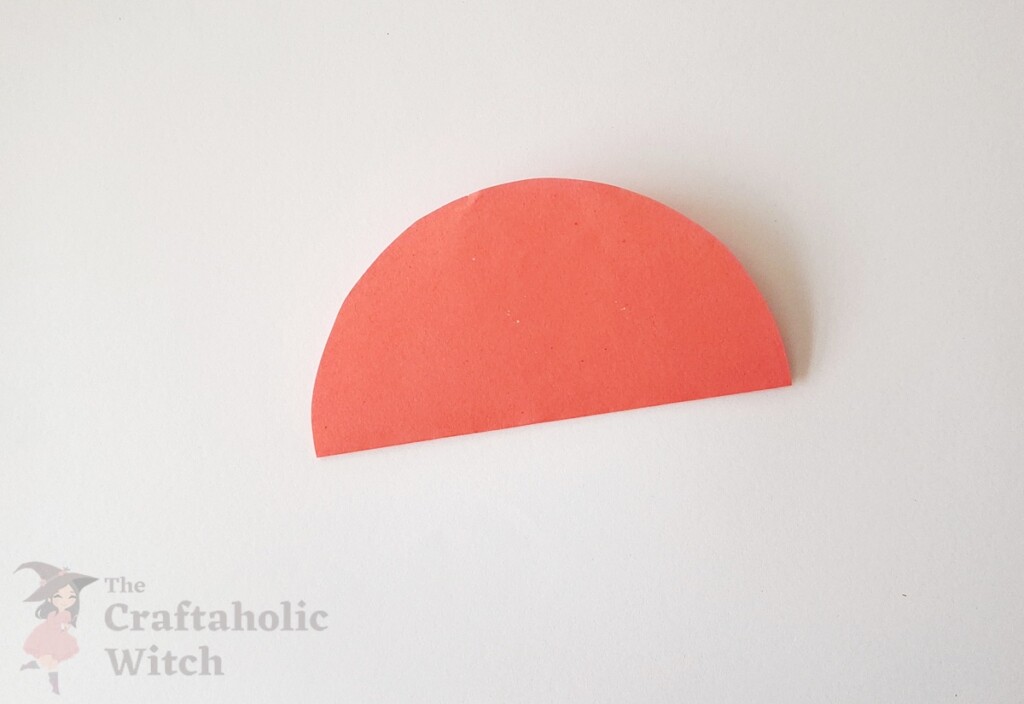
Place your paper circle on a flat surface and fold it in half. Line up the edges carefully and press down firmly to create a sharp crease. This first fold sets up everything else, so take your time here.
Pro tip: Run your fingernail along the fold or use a ruler edge to really sharpen that crease. Weak creases mean sloppy accordion folds later.
Step 3: Unfold and Fold the Other Direction
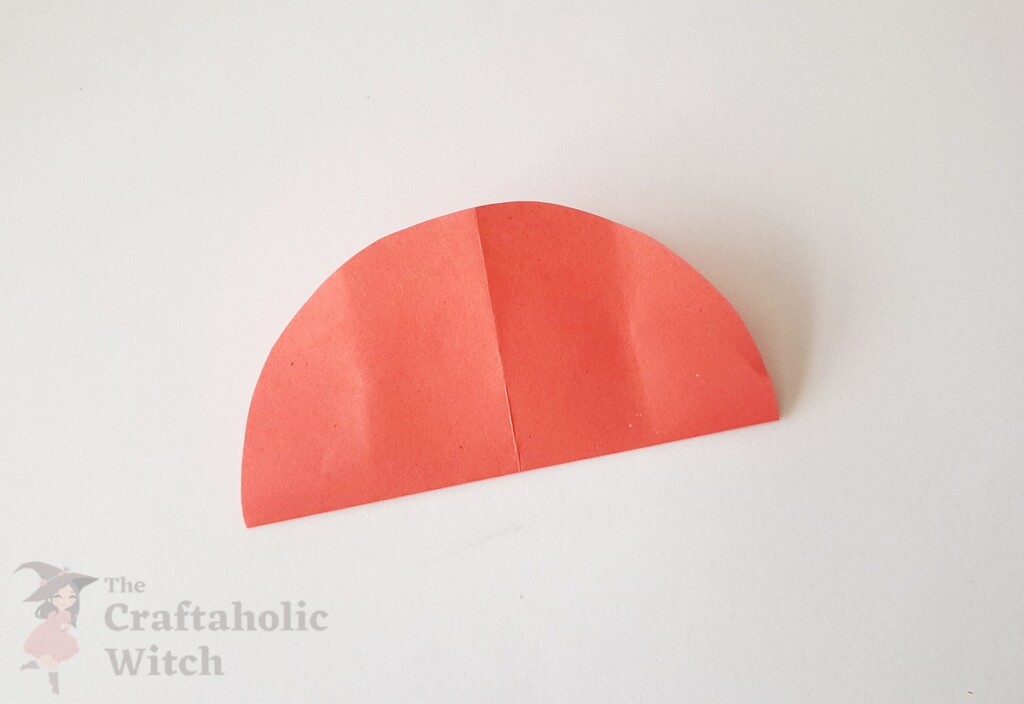
Open up your half-folded circle completely. Now fold it in half again, but this time in the opposite direction. You’re basically making a plus sign with your fold lines. Press this fold firmly too.
Important: Your two fold lines should cross right in the center of your circle. If they’re off-center, your final heart will look lopsided.
Love folding crafts? Our origami heart ring uses similar techniques and makes a perfect Valentine’s gift in under 10 minutes! Kids love wearing something they made themselves.
Step 4: Fold in Half Along the Same Line
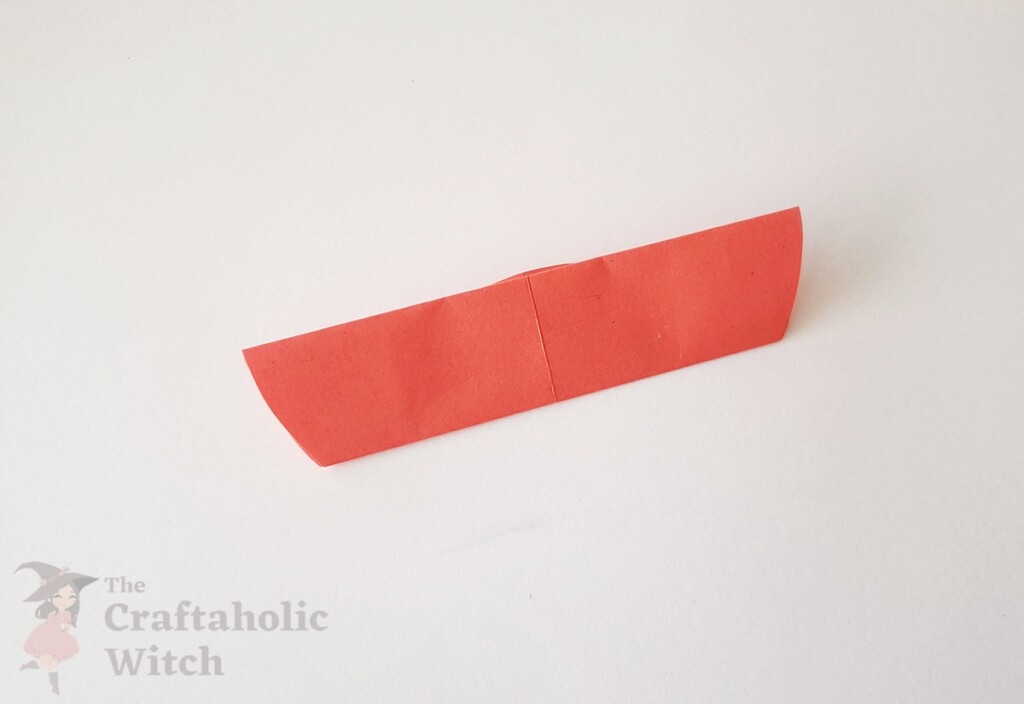
Without opening your paper, fold it in half again along the same crease line you just made in step 3. You’re working with a quarter-circle shape now, and it should look like a little wedge. Keep those edges lined up.
Step 5: Keep Folding Two More Times
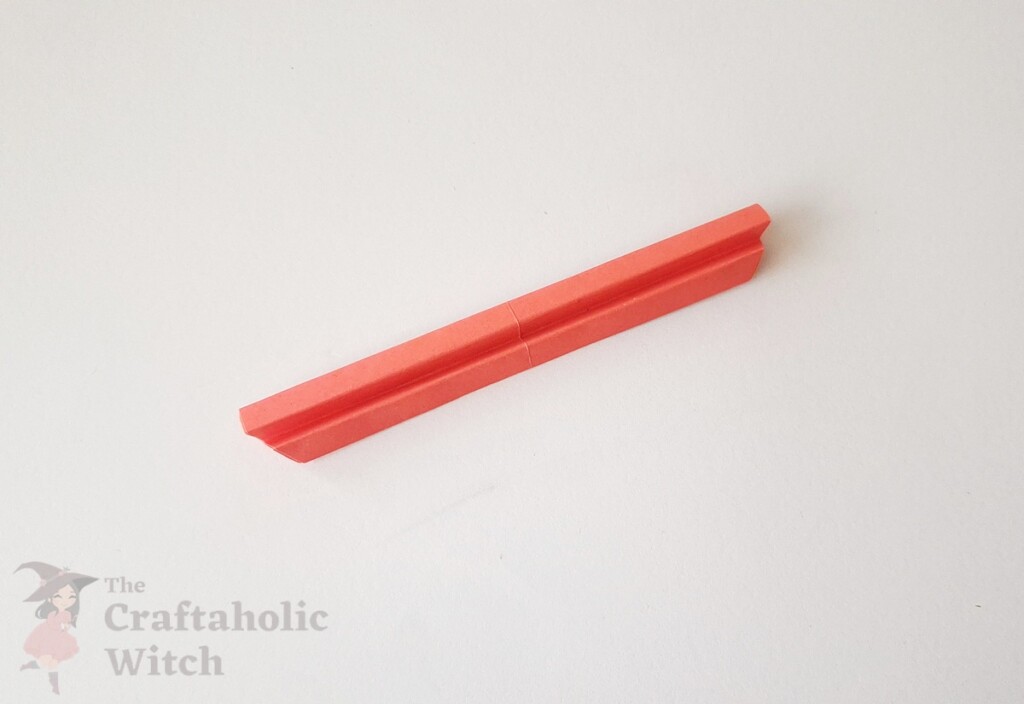
Fold your wedge in half two more times, always folding along the same direction. You’ll end up with a really narrow slice of paper. Don’t worry if it feels like you’re running out of paper to fold – that’s normal! Just keep the edges as aligned as possible.
Parent tip: Younger kids might need help holding the paper steady for these last folds. The paper gets thick and wants to spring open.
Step 6: Open It All Up to See Your Creases
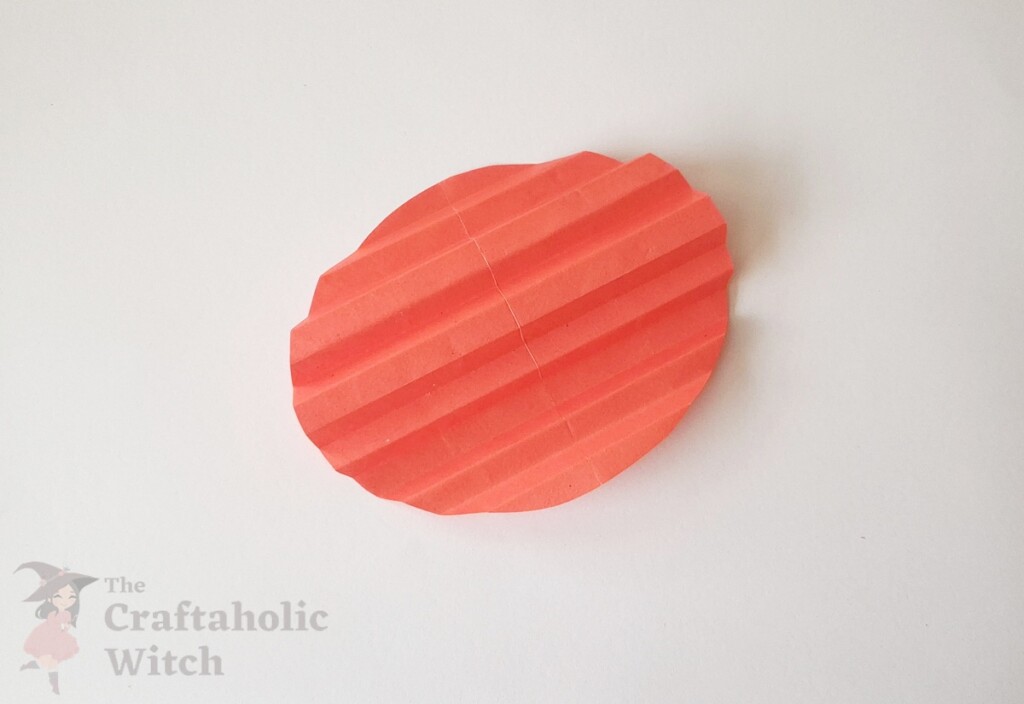
Now carefully unfold everything, all the way back to your flat circle. You’ll see a bunch of crease lines radiating out from the center like sun rays. These creases are your roadmap for the accordion folds coming up, so don’t skip this step!
Note: Handle the unfolding gently. You want to keep those crease lines visible without tearing the paper where multiple creases meet in the middle.
Step 7: Create Accordion Folds Along the Creases
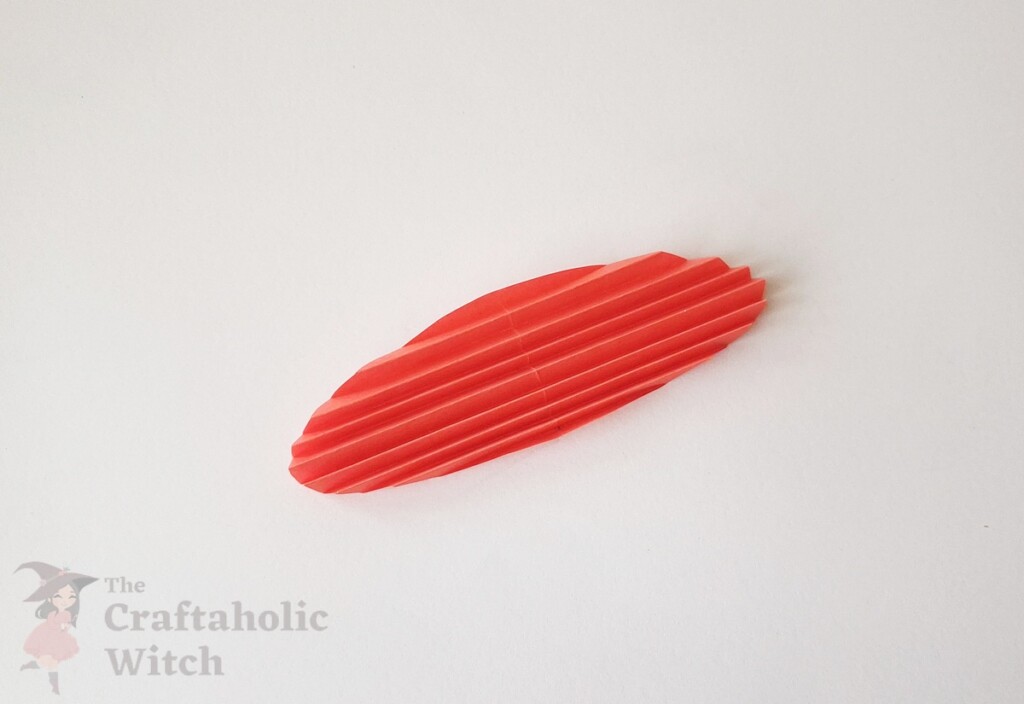
Here’s where your heart really starts to take shape! Fold your circle into accordion pleats by following those crease lines you just made. Go back and forth, mountain fold then valley fold, all the way around. The creases make this way easier than trying to accordion fold without guidelines.
Pro tip: Think of it like closing a paper fan. Each fold should be sharp and neat. Messy accordion folds make a messy heart.
Master move: This accordion technique works for tons of projects! Use it for 3D paper stars, paper pumpkins, or even paper butterflies. Once kids get this technique down, they can make dimensional decorations for every season!
Step 8: Pinch the Center and Add Glue
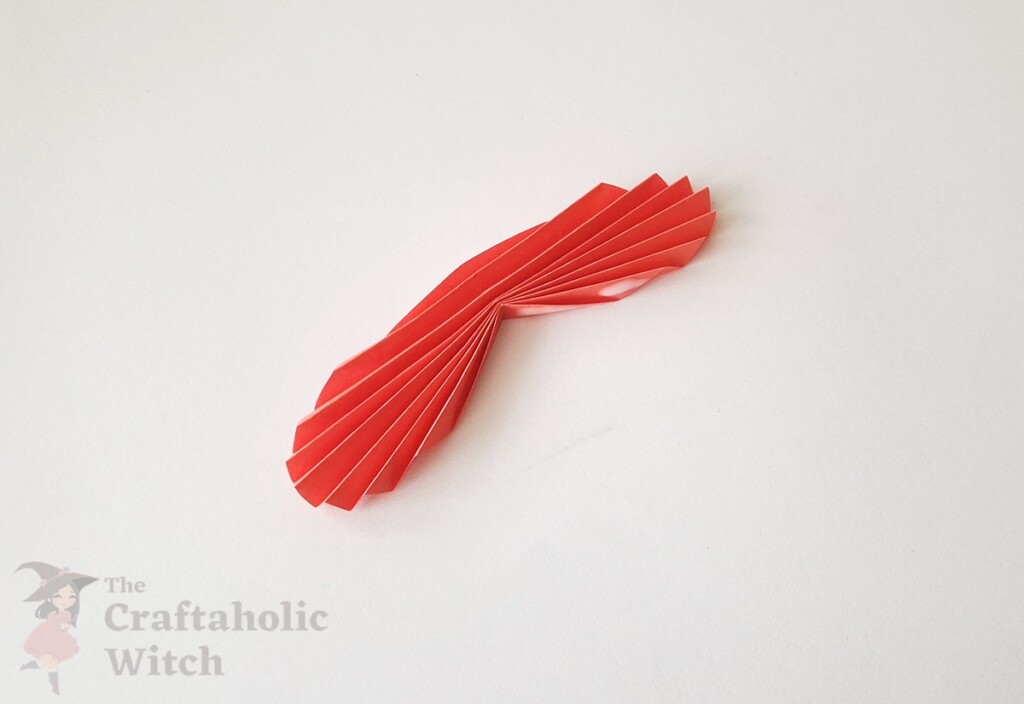
Hold your accordion-folded circle and pinch it in the middle on one side. You’re creating a meeting point where the two halves will join together. Put a small line of glue along one side of that middle pinch point – just one side, not both!
Important: Use just a tiny bit of glue. Too much makes the paper soggy and hard to join neatly. A thin line is all you need.
Step 9: Press the Two Sides Together
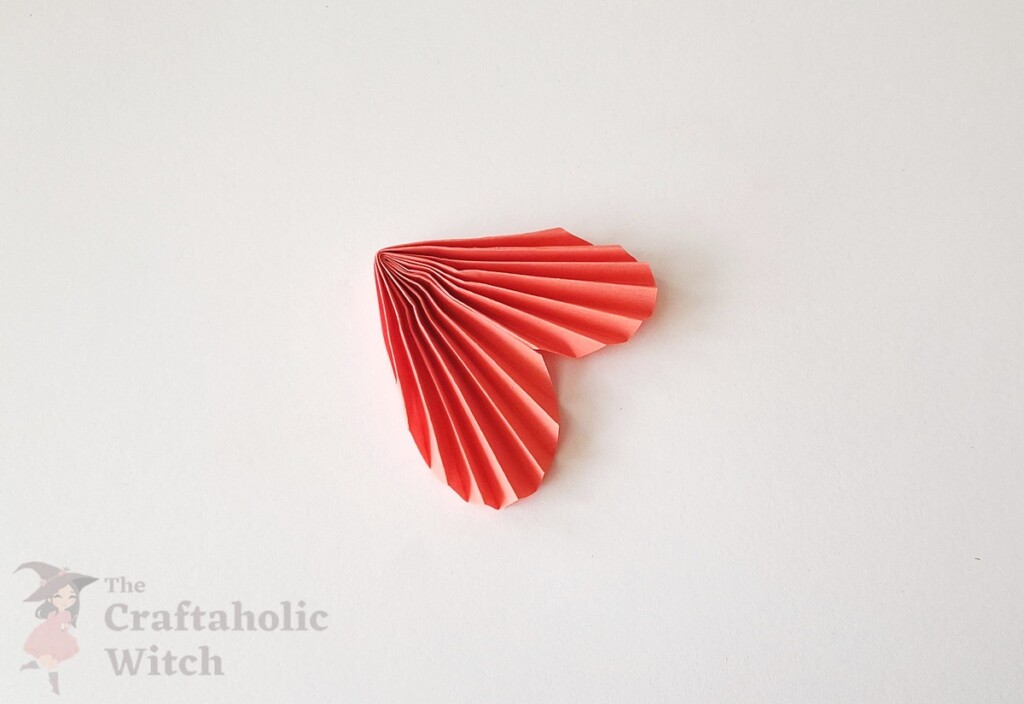
Fold your accordion at that center point and press the two glued sides together firmly. Hold them in place for about 10 seconds to let the glue grab. This joining creates the pointed bottom of your heart shape. Let the glue dry completely before touching it again.
Note: If the glue isn’t holding, you probably didn’t use enough. Just add a tiny bit more and press again.
Step 10: Gently Shape Your Heart
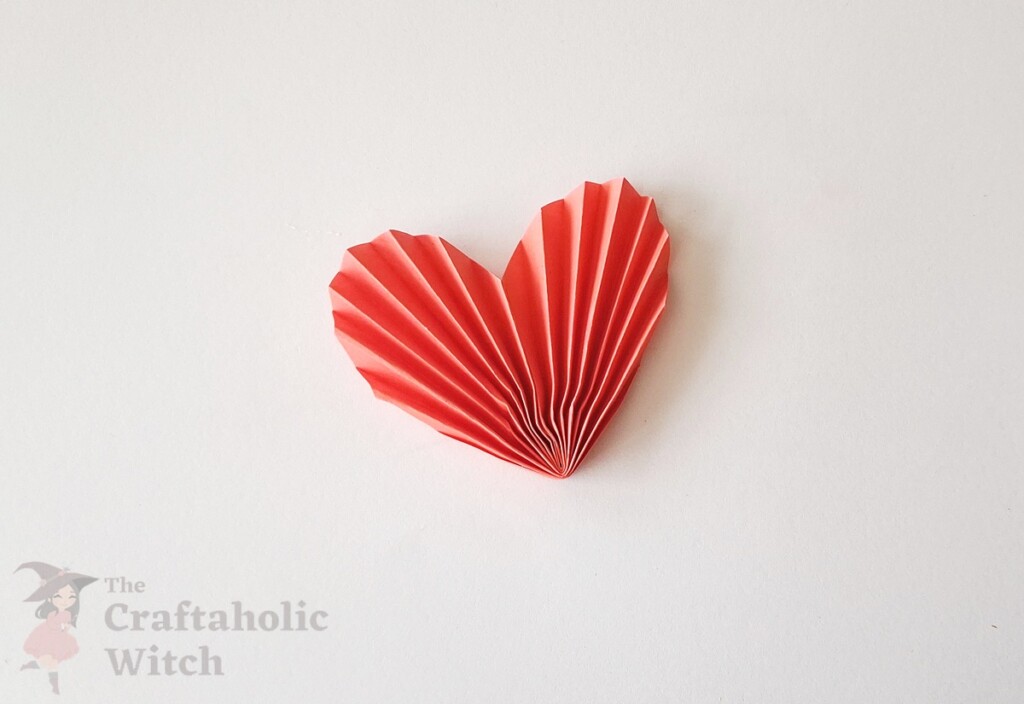
Once the glue is totally dry, use your fingertips to carefully loosen up those accordion folds just a little bit. Don’t pull them open completely – you’re just giving them some breathing room so they fan out nicely. Your 3D striped heart will start to take shape as you gently adjust the folds.
Pro tip: Work slowly and adjust all the folds evenly. If one side opens more than the other, your heart will look crooked. Once you get it right, it’s so satisfying to see that dimensional effect!
Tips for Perfect 3D Paper Hearts
Choose Your Paper Wisely – Medium-weight craft paper (around 65-80 lb) gives you the best results. Regular printer paper tears too easily during accordion folding, while heavy cardstock is too stiff to shape nicely. Standard craft paper from any craft store hits that sweet spot.
Master Those Early Creases – Every fold in steps 2-5 needs to be sharp and crisp. Run your fingernail along each crease or use a ruler edge. These creases become your guidelines for the accordion folds, so weak creases mean uneven pleats.
Go Slow with the Accordion Folds – Don’t rush through step 7. Follow each crease line carefully and make sure your folds alternate properly (mountain, valley, mountain, valley). If you lose the pattern, your heart won’t fan out evenly. This same accordion technique works great for 3D paper stars too!
Use Barely Any Glue – A thin line of glue on one side of the center pinch is enough. Too much glue makes the paper wet and wrinkly. Too little means your heart falls apart. Just a small amount does the job.
Shape Gently at the End – When loosening those accordion folds in the final step, use a light touch. Pulling too hard can tear the paper where it’s glued or ruin your pleats. Gentle adjustments create that beautiful 3D effect without damage.
Now that you know the tricks, check out how these same folding skills work in our origami hearts – kids who master this heart can tackle pandas, cranes, and bunnies next!
FAQ: 3D Paper Heart Craft
Q: Can I use regular printer paper instead of craft paper?
You can, but your heart will be pretty fragile. Printer paper tears easily when you’re making those accordion folds, especially where multiple creases meet in the center. Craft paper costs just a few cents per sheet and makes hearts that actually hold up. If you’re making a bunch for a classroom, invest in the craft paper!
Q: What size should my circle be?
That totally depends on what you’re making! A 4-inch circle makes cute little hearts for cards. A 6-inch circle is perfect for room decorations. An 8-inch circle creates big statement hearts. Just remember that bigger circles need more folds to get nice tight accordion pleats. Check out our free printable guide above for a size reference chart!
Q: My accordion folds aren’t lining up evenly. What am I doing wrong?
Go back and check those early folds from steps 2-5. If those creases aren’t sharp and evenly spaced, your accordion guidelines won’t be even either. Unfold completely and re-crease the weak folds before trying the accordion part again. It’s worth taking the extra minute to get clean creases.
Q: The glued center keeps coming apart. How do I fix this?
You probably need just a touch more glue, or you’re not holding it long enough. Apply a thin line of glue to one side, press firmly together, and hold for at least 15-20 seconds. Let it dry completely before shaping your heart. If you’re using a glue stick, make sure it’s fresh – old dried-out glue sticks don’t hold well.
Q: Can younger kids make this craft?
Kids around 6-7 can definitely do this with help on the cutting and gluing parts. The folding is actually pretty intuitive once they get the accordion pattern. For kids under 6, you might need to do the first few folds to show them the pattern. For even simpler options, try our sticky note heart which takes just 3 minutes!
Q: How do I attach these hearts to cards or walls?
For cards, put a dot of glue on the pointed bottom of your heart and press it onto the card. These work beautifully with our heart pop up cards for a double heart effect! For walls, double-sided tape on the back works great and won’t damage your paint. You can also punch a hole in the top and add string to hang them.
Q: My heart looks lopsided. Can I fix it?
Usually this happens when the glued center isn’t exactly in the middle of your circle. If it’s just slightly off, you can adjust by loosening the folds more on one side than the other. If it’s really crooked, it’s easier to start fresh with a new circle. The good news? Paper hearts are cheap, so practice makes perfect!
Q: Can we decorate these hearts before folding?
Absolutely! Kids love adding drawings, glitter, or stickers to their flat circles before starting the folds. Just make sure any decorations are dry before you start folding, or things get messy. Markers and colored pencils work great. For more decoration ideas, check out our paper butterflies tutorial which uses similar pre-decoration techniques.
More Valentine’s Day Crafts You’ll Love
If you enjoyed making these 3D paper hearts, here are other Valentine’s projects perfect for kids:
Valentine’s Day Paper Crafts:
- Heart Pop Up Cards – Interactive cards with 3D hearts that pop up when opened (classroom favorite!)
- Paper Heart Ring – Origami heart rings that make sweet Valentine’s gifts in under 10 minutes
- Heart from Sticky Notes – The fastest 3-minute heart craft perfect for quick Valentine notes
- Gum Wrapper Hearts – Recycled craft with 3 different heart patterns (great for eco-conscious families)
Valentine’s Jewelry Projects:
- Wire Heart Necklace – Simple wire wrapped heart pendant for beginner jewelry makers
- How to Make Stud Earrings – Wire and bead earrings that match the necklace perfectly
Other Dimensional Paper Crafts:
- 3D Paper Stars – Uses similar accordion folding techniques for dimensional decorations
- Paper Butterflies – Another folded paper project with stunning 3D results
- Origami Tulips – Perfect for spring but works for Valentine’s too!
More Beginner Origami:
- Origami Crane – Classic fold that teaches core techniques
- Origami Bow – Perfect gift toppers for your Valentine’s presents
For even more seasonal inspiration, browse my complete collection of Valentine’s Day crafts!
We absolutely love seeing your handmade Valentine’s crafts! When you make these 3D paper hearts, share photos on social media and tag us with #thecraftaholicwitch so we can see your beautiful creations.
Creative variations we’d love to see:
- Rainbow hearts using ombre colored papers
- Tiny hearts made with different circle sizes
- Heart garlands strung together for parties (works great with our 3D paper stars too!)
- Hearts decorated with markers or glitter before folding
- Mixed media hearts combining paper and wire heart designs
Final Thoughts
This 3D paper heart craft is way more than just a Valentine’s Day decoration. It teaches kids about geometry, symmetry, and how simple folds can create dimensional shapes. Plus, they get practice with measuring, cutting, and following step-by-step instructions.
As a mom and craft enthusiast, I love that this project gives kids something they’re genuinely proud to give as gifts or display in their rooms. The 3D effect makes these hearts look way more complicated than they actually are, which is such a confidence boost for young crafters.
The best part? Once kids master this accordion folding technique, they can apply it to dozens of other paper crafts throughout the year. It’s not just a Valentine’s project – it’s a foundational skill that unlocks a whole world of dimensional paper crafting.
So grab some colorful paper, round up the kids, and watch their faces light up when those flat circles transform into dimensional hearts!
Keep crafting, keep learning, and keep creating those precious memories!
Happy Crafting!
#thecraftaholicwitch


