

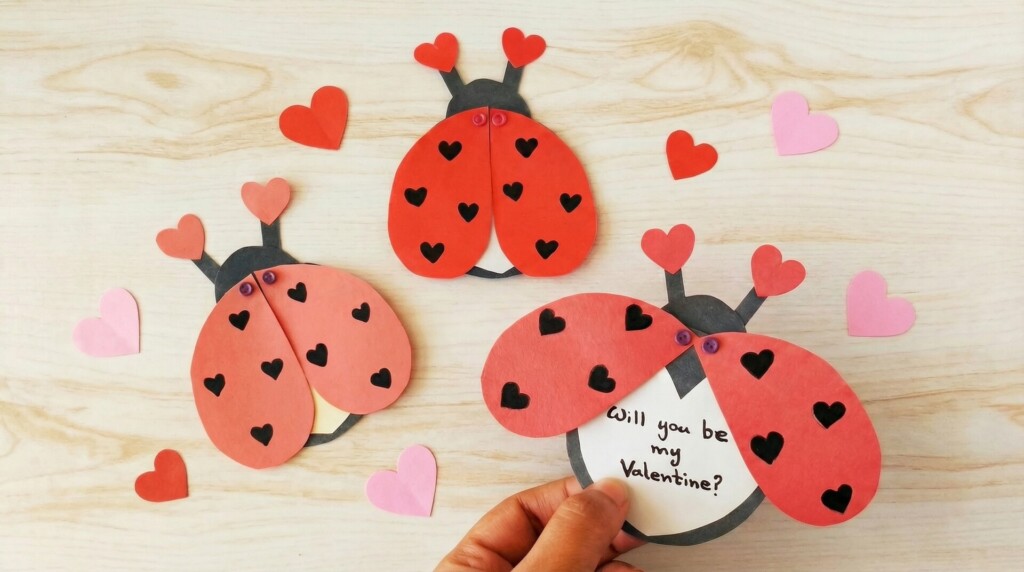
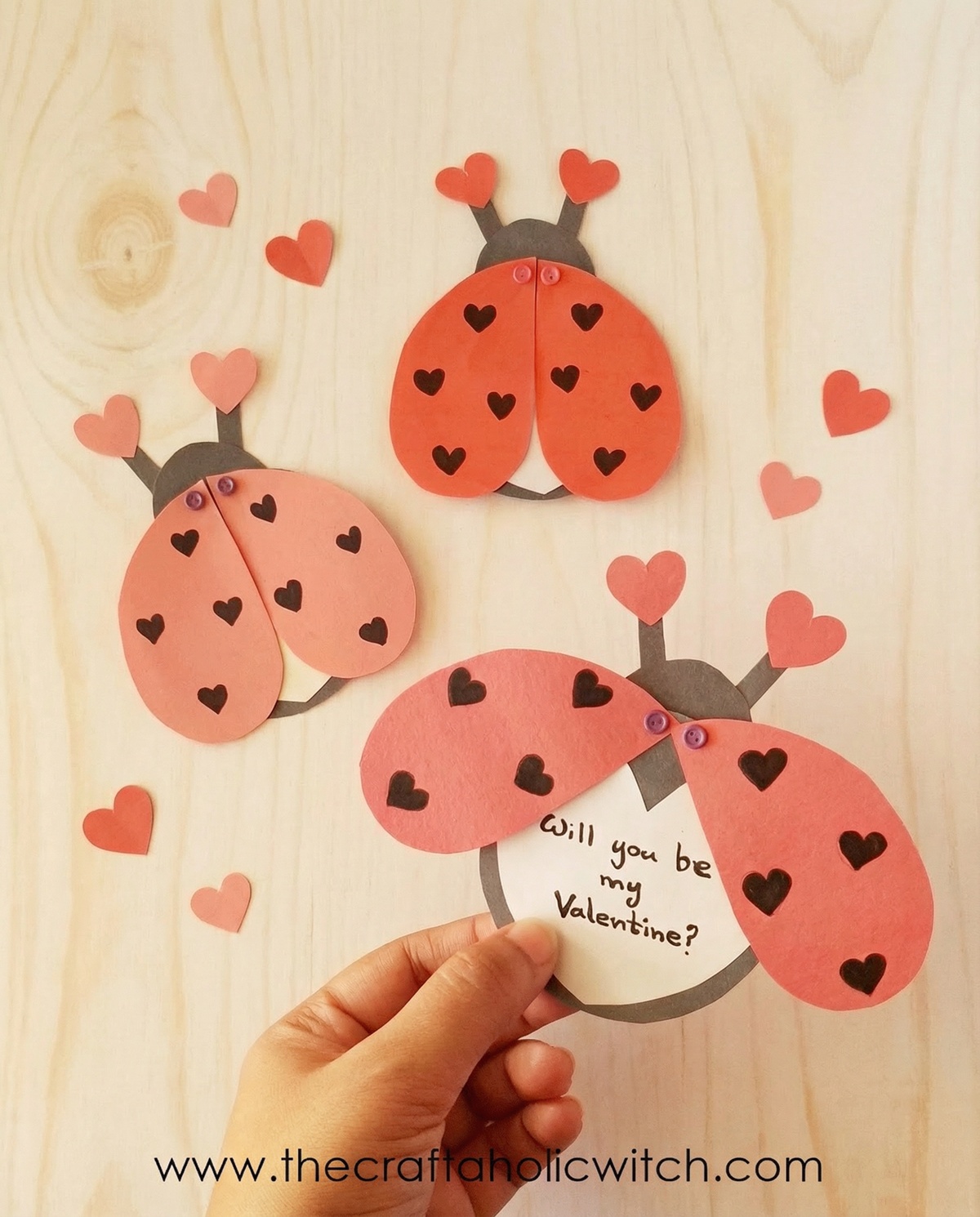
In this tutorial, we’ll show you how to make an interactive ladybug Valentine card with heart-shaped wings that slide open to reveal a hidden message. This paper craft is perfect for parents helping kids make classroom Valentines, teachers planning craft activities, and anyone who wants to give something handmade that actually impresses. Plus, we’ve included a free template to make cutting out all those pieces way easier.
This ladybug card is perfect for:
- Classroom Valentine exchanges
- Handmade cards for friends and family
- Valentine’s Day craft parties
- Rainy afternoon projects with kids
- Last-minute Valentine gifts that don’t look last-minute
Project Specifications
- Difficulty Level: Beginner-friendly (younger kids may need help with cutting and brad pin assembly)
- Cost: Under $5 (using basic craft supplies you likely have)
- Time: 15-25 minutes per card
- Ages: 6+ years (with adult help for cutting), 10+ independently
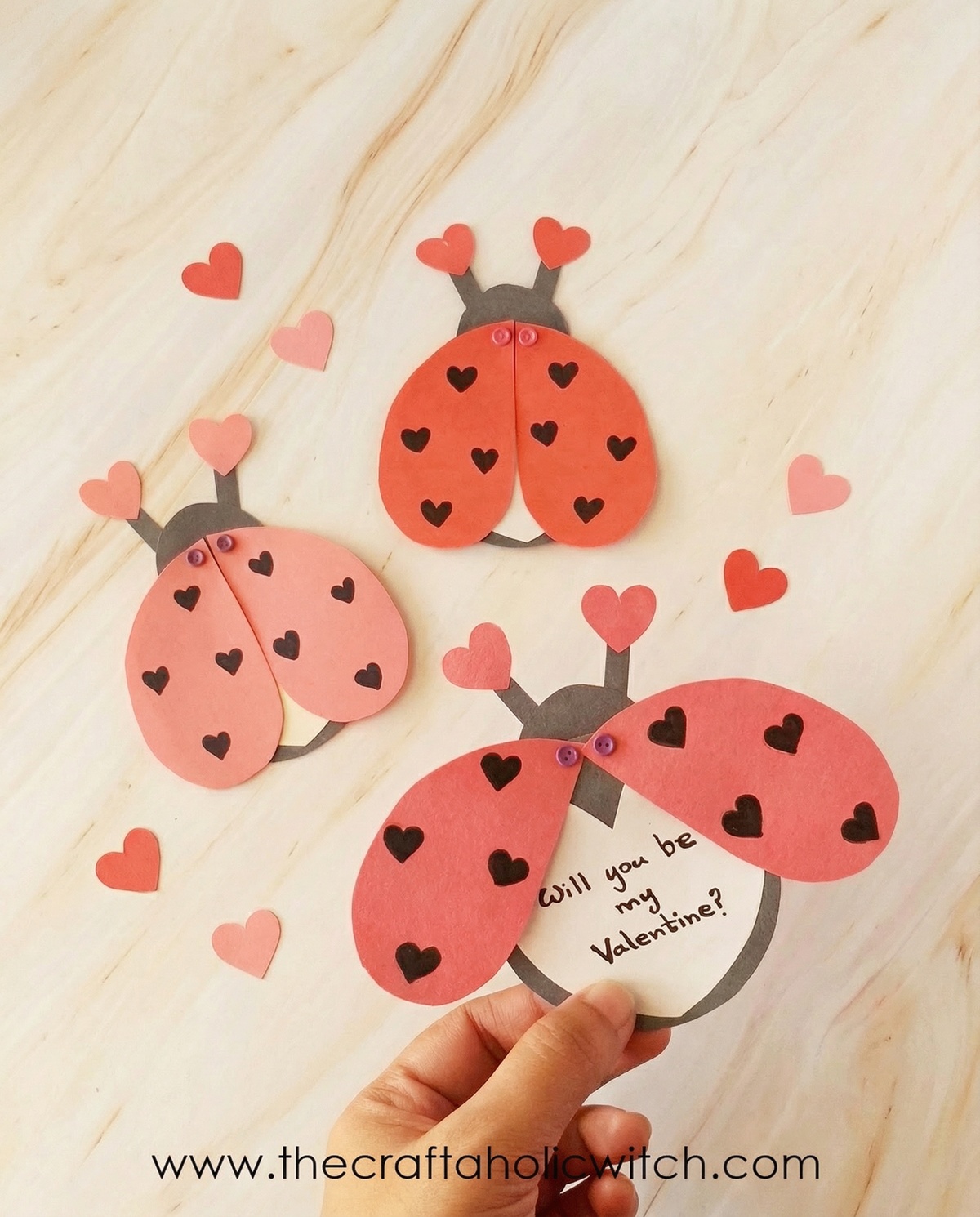
How to Make Valentine’s Day Ladybug Card
Things You’ll Need
Materials
- Thick colored craft paper or cardstock (65-80 lb weight). You need this for the ladybug base and wings. Regular printer paper is too flimsy and won’t hold up when kids slide the wings back and forth. Cardstock gives you that sturdy base that can handle repeated use.
- Medium-weight colored craft paper. This is for the inner heart card where the message goes. You want something lighter than the wings so it doesn’t add bulk, but sturdy enough to write on without tearing.
- Brad pins (2 per card). These are what make the wings actually slide. You can find these at any craft store in the scrapbooking section. Metal brads work better than plastic ones because they’re smoother.
- Black Sharpie or permanent marker. For drawing the heart-shaped spots on the wings and any facial details. Fine tip works best for small details.
- Craft glue or glue stick. White school glue works fine, but glue sticks dry faster and don’t wrinkle the paper. If you’re making multiple cards, glue sticks will save you waiting time.
Tools
- Pencil for tracing template pieces
- Scissors (sharp ones make cleaner cuts on cardstock)
Please note that the provided links may include affiliate links, which means that if you make a purchase through them, we may earn a small commission.
Step-by-Step Instructions to Make a Valentine’s Day Ladybug Card
Step 1: Trace and Cut Out All Template Pieces
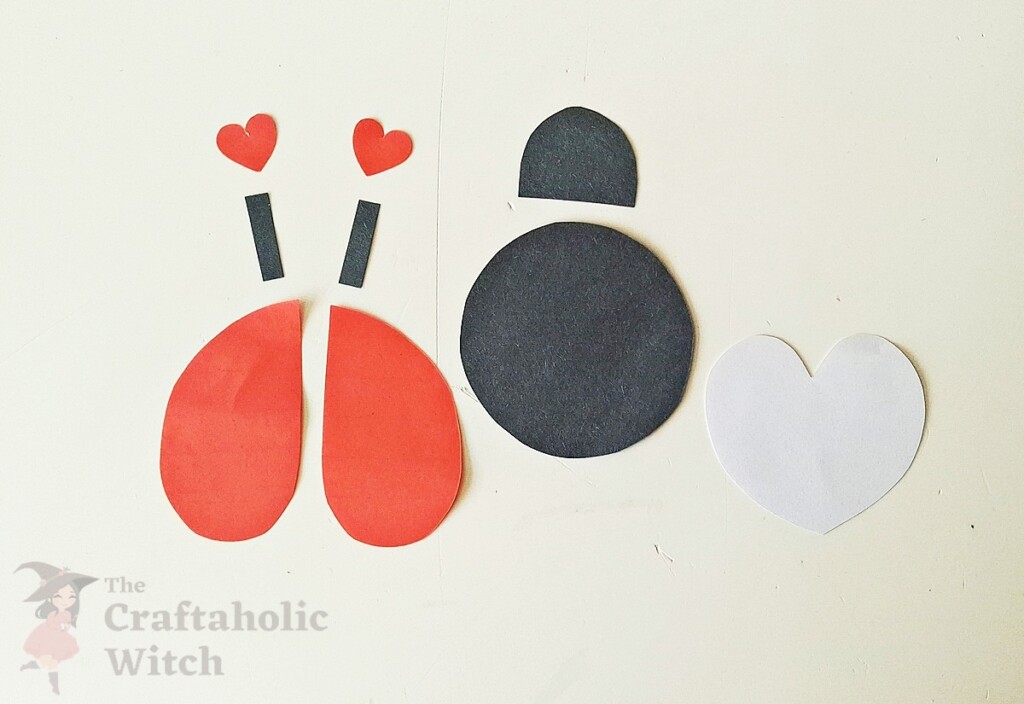
Use thick colored craft paper for the ladybug base, head, and wing patterns. Grab lighter weight paper for the heart-shaped card insert. Trace all template patterns onto your selected papers and carefully cut out each piece.
Pro tip: Cut slightly outside your traced lines first, then go back and trim to the exact shape. This gives you cleaner edges, especially on those curved wing pieces. Jagged edges will snag when the wings slide.
Step 2: Attach the Heart-Shaped Card to the Base
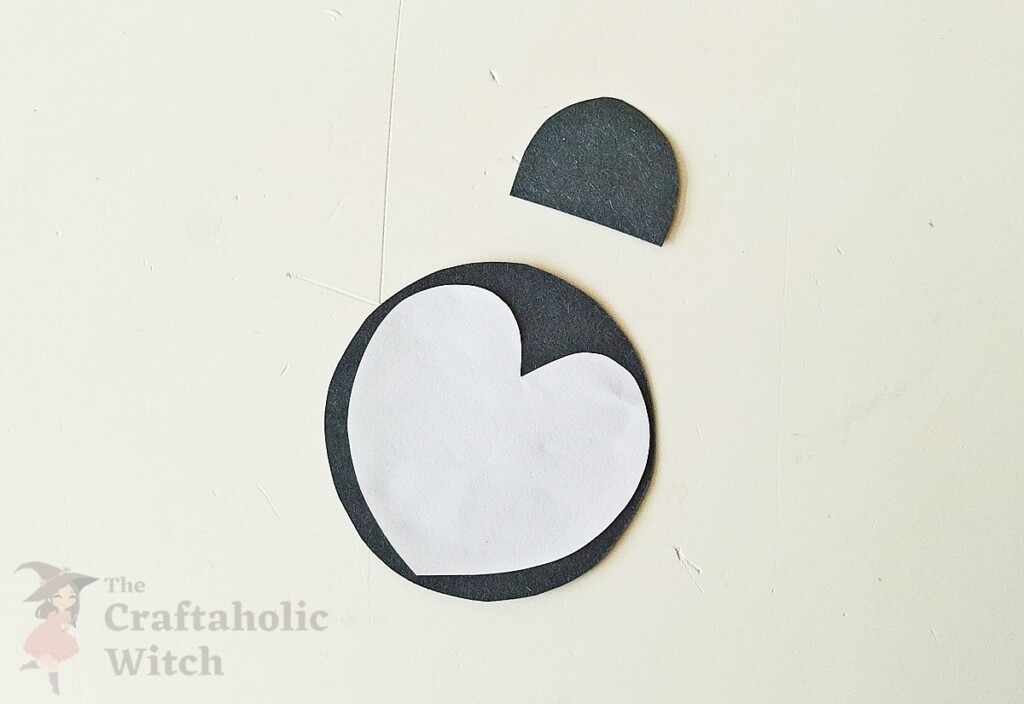
Take your big heart cutout and glue it onto the center of the round ladybug base. This is the card section that will hide under the sliding wings. Make sure it’s centered so the wings can cover it completely when closed.
Note: Press firmly and let this dry for a minute before moving on. If the heart shifts later, your whole card looks off.
Step 3: Create the Antenna Pieces
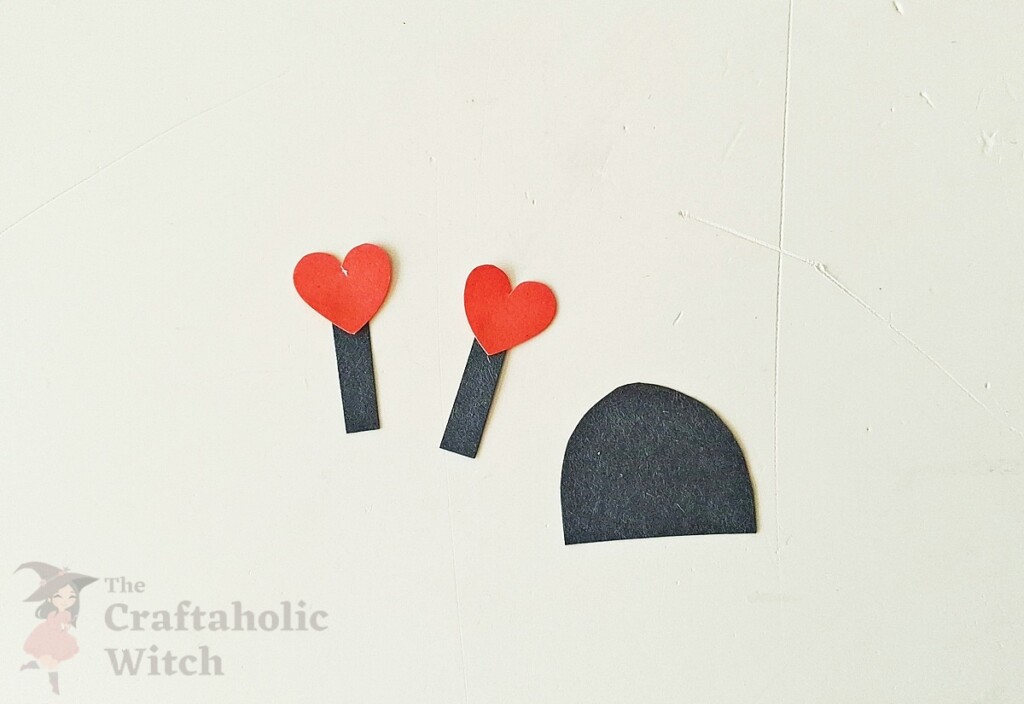
Glue the two small heart cutouts onto the ends of the small strip cutouts. These become your ladybug’s adorable antenna pieces. The hearts should sit at the top of each strip.
Parent tip: This is a great step for younger kids to handle independently. Small pieces, simple gluing, instant gratification.
Step 4: Attach the Antennas to the Head
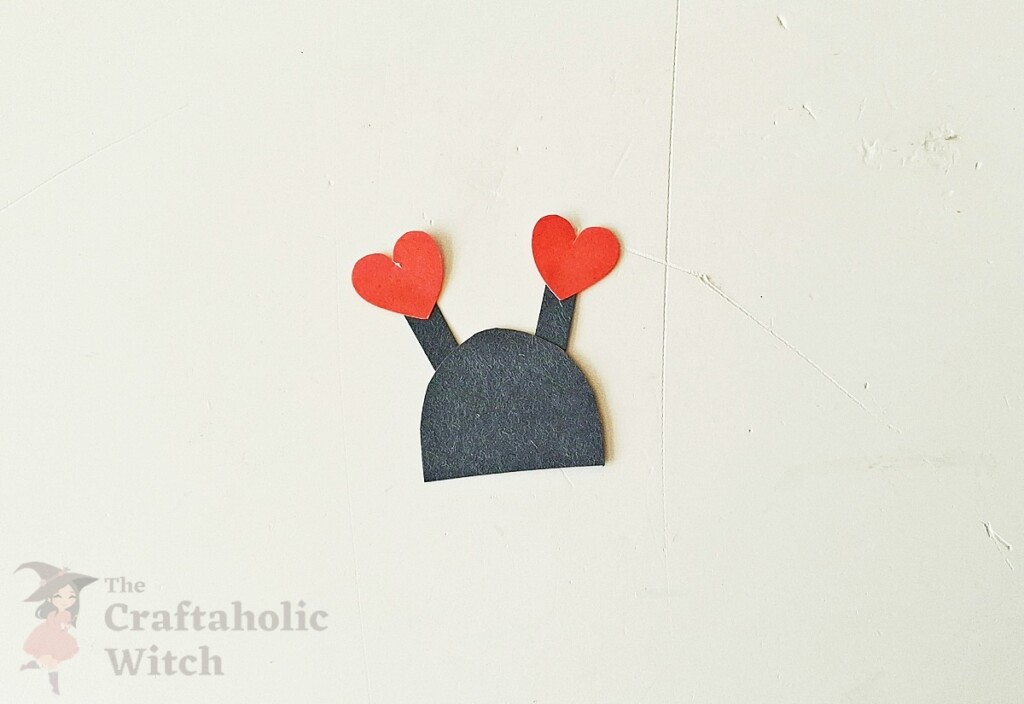
Glue the prepared antenna pieces onto the back of the round head cutout, positioning them along the curved top edge. The antenna strips should stick up above the head, with the heart tips peeking out.
Note: Glue only the bottom portion of each antenna strip to the head. You want the hearts to stand up freely, not lay flat against the head piece.
Step 5: Position the First Wing on the Base
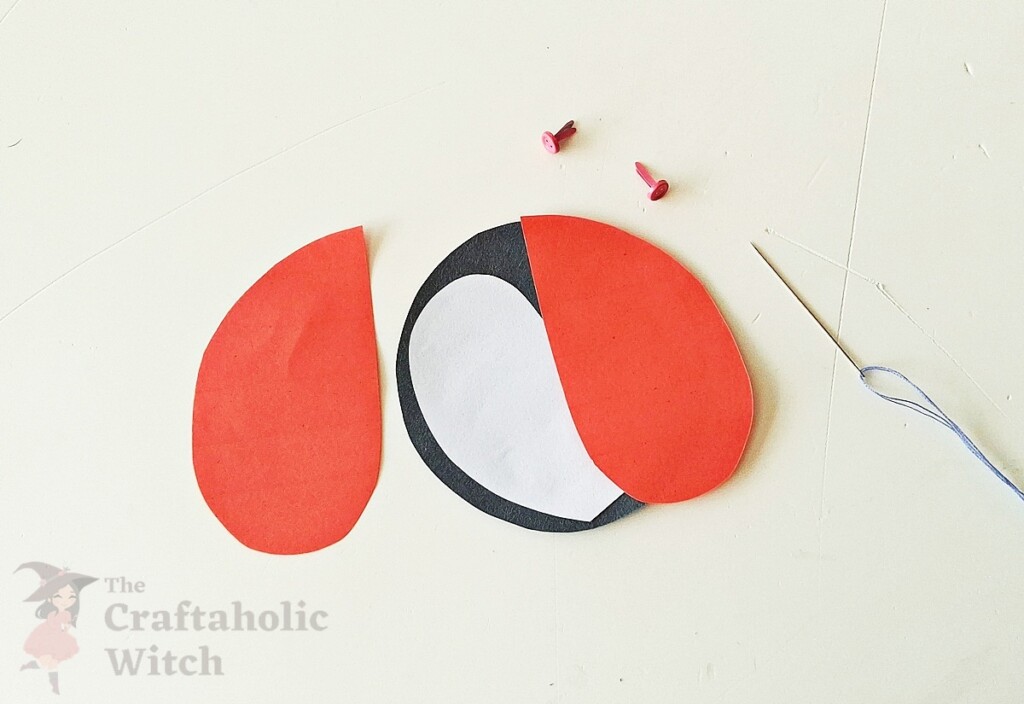
Take one heart-shaped wing cutout and place it on one side of the base pattern. Keep the pointed end of the heart facing toward the outer edge. Don’t glue anything yet. You’re just finding the right position.
Important: The wing should cover half of the inner heart card when positioned correctly. Test sliding it sideways before you commit to placement.
Step 6: Position the Second Wing Next to the First
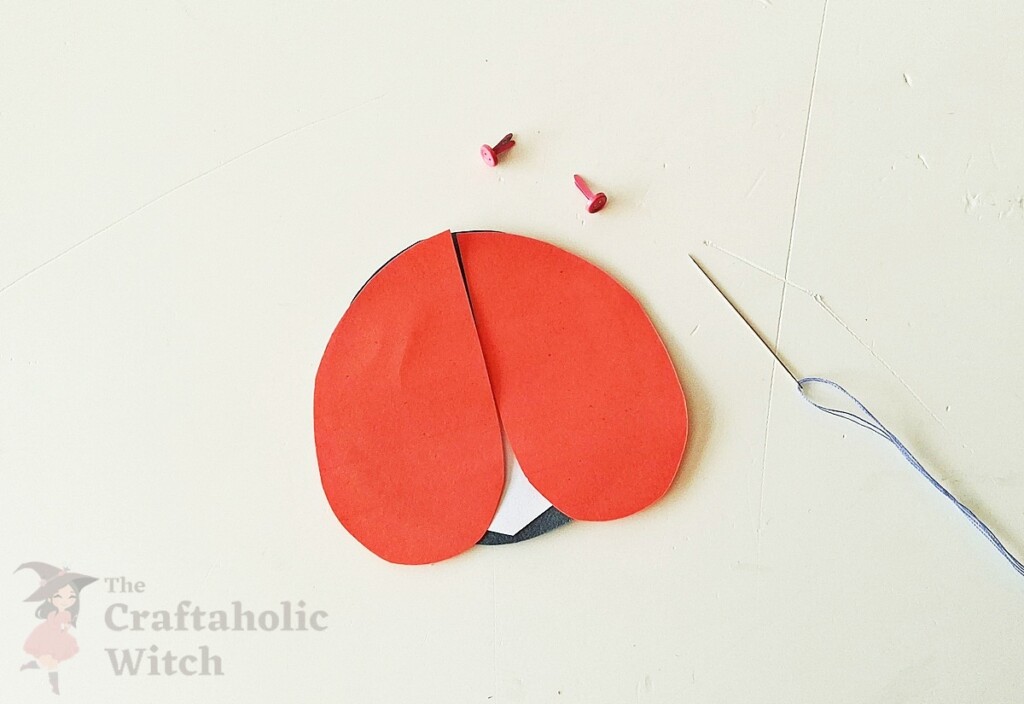
Place the second wing cutout next to the first one so both wings sit evenly on the base. The two pointed heart tips should meet in the middle, covering the message card underneath completely.
Pro tip: Both wings should touch in the center but not overlap. If they overlap, the sliding motion gets clunky. If there’s a gap, the hidden message shows through.
Step 7: Secure Both Wings with Brad Pins
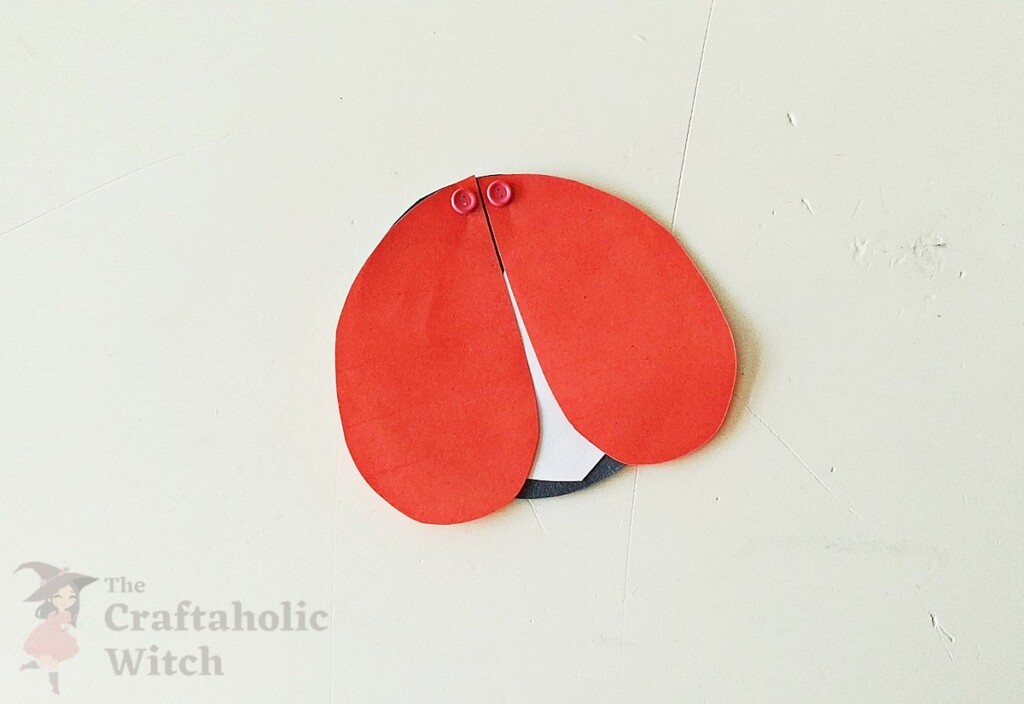
Attach both wings to the base using brad pins near the outer curved edges of each heart wing. Push the brad through the wing and base, then spread the legs on the back. Test that each wing slides smoothly from side to side before moving on.
Important: Don’t flatten the brad legs completely against the back. Leave a tiny bit of space (about 1mm) so the wings can rotate freely. This is the number one reason wings get stuck.
Step 8: Draw Heart-Shaped Spots on the Wings
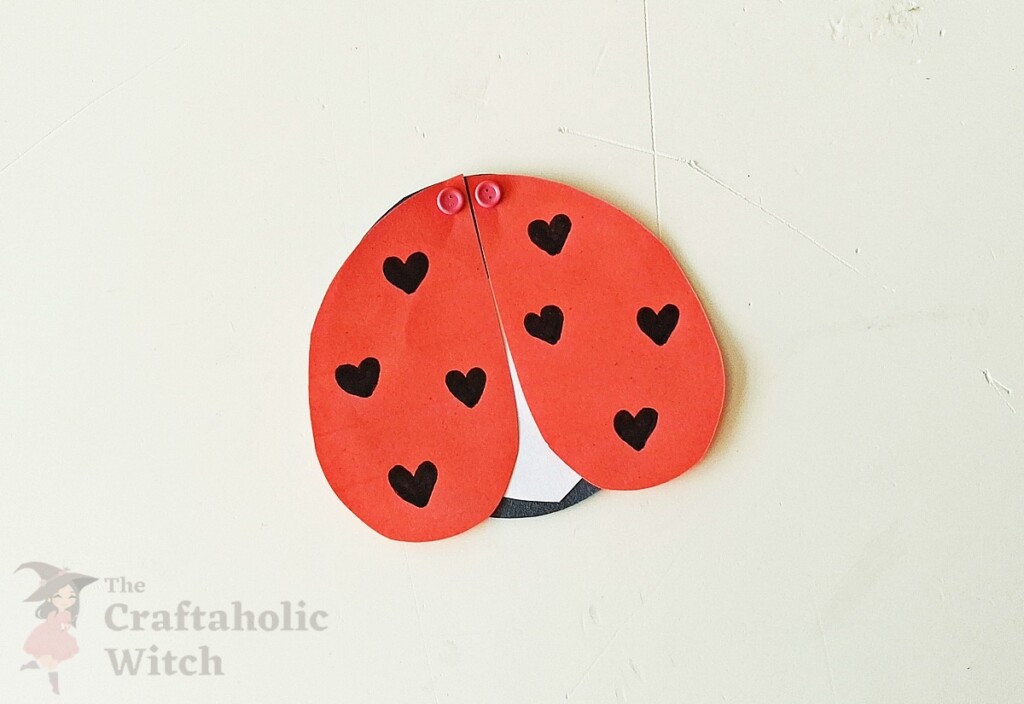
Use your black Sharpie to draw small heart shapes on the wings. These are your ladybug spots with a Valentine’s twist. Scatter them randomly or create a pattern. Whatever makes you happy.
Step 9: Apply Glue to the Head Cutout
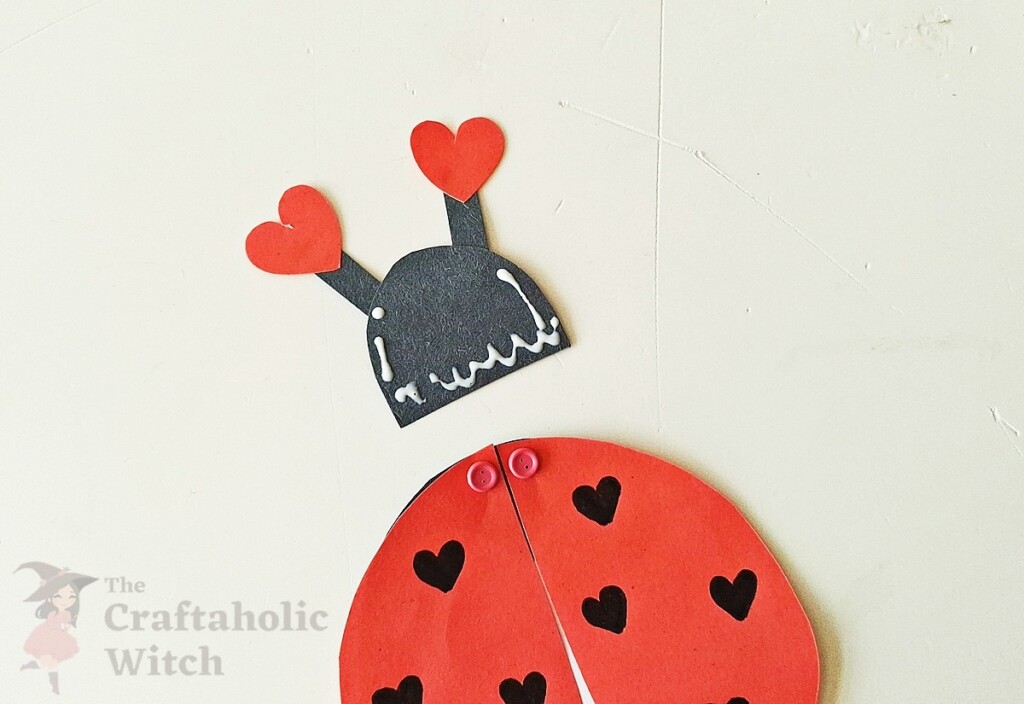
Flip the head piece over to the back side. Apply glue along the bottom straight edge and both curved side edges. Leave the top edge (where the antennas are) glue-free.
Pro tip: Apply glue only where the instructions say. Getting glue anywhere near the wing area will lock up your sliding mechanism. Ask me how I know.
Step 10: Attach the Head and Write Your Valentine Message

Press the head piece onto the top of the base, covering the area where the brad pins show through. The head should sit above the wings, not overlapping them. Let everything dry completely. Then slide open the wings and write your Valentine’s message on the heart card underneath.
Watch the Full Video Tutorial: Valentine’s Day Ladybug Card
If you’re having trouble following the written steps, don’t worry! I’ve prepared a complete video tutorial on my YouTube channel where you can watch every fold, placement, and sliding wing detail in real time.
Tips for Beginners Valentine’s Day Ladybug Card
Q: Can I use regular printer paper instead of cardstock?
You can, but I don’t recommend it. Printer paper is too thin to handle the sliding motion. Kids will bend the wings on the first try, and the whole card goes floppy. If printer paper is all you have, try gluing two sheets together for extra stiffness. Cardstock just works better for this project.
Q: What age can do this craft independently?
Kids around 10 and up can usually handle the whole thing themselves. Younger kids (6-9) will need help with cutting cardstock and inserting the brad pins. The tracing, gluing, and decorating parts are great for little hands to practice.
Q: My wings won’t slide. What went wrong?
Nine times out of ten, the brad pins are too tight. Flip the card over and gently lift the brad legs slightly off the paper. You need just a tiny gap for the wing to rotate. If that doesn’t work, check if any glue got near the brad area. Even a small glue spot can lock things up.
Q: Can I make the wings open vertically instead of sideways?
You could reposition the brad pins to change the direction, but you’d need to adjust where the message card sits too. The current design works best with sideways sliding because the two heart points meet in the middle. Vertical would leave a gap at the top.
Q: What if I don’t have brad pins?
Small buttons with thread could work, but honestly, brad pins are the easiest solution. They’re cheap (usually under $3 for a pack) and available at any craft store or the scrapbooking section of big box stores. This project really depends on them for that smooth sliding action.
Q: How many cards can I make in an hour?
Once you get the hang of it, probably 3-4 cards per hour. The first one always takes longest while you figure out the steps. After that, you’ll find a rhythm. If you’re making a bunch for a classroom, try assembly-line style. Cut all pieces first, then do all the gluing, then all the brad pins.
Q: Can I add glitter or stickers to decorate?
Absolutely! Just wait until the card is completely assembled and dry. Add glitter glue around the edges, stick gem stickers on the wings, go wild. The only rule is don’t put anything thick on the wings where they overlap, or they won’t close flat.
More Valentine’s Day Crafts You’ll Love
If you enjoyed making this sliding ladybug card, here are other Valentine projects to try:
- Origami Heart Envelopes – Perfect for tucking small notes or candy inside
- Cute Owl Valentine Card – Another adorable animal card with simple assembly
- DIY Owl Valentine Card – A different owl design with big googly eyes
- Origami Heart Bookmark – Quick fold that makes a sweet little gift
That’s it—your adorable Valentine ladybug card is all ready to spread some love! With its sweet heart-shaped wings and fun sliding surprise, this little paper bug is perfect for making Valentine’s Day extra special. It’s simple to craft, playful to use, and guaranteed to bring smiles whether it’s made by kids, teens, or with a little grown-up help.
Now it’s your turn to give it a try! Make one (or a few!) in your favorite colors, add a heartfelt message inside, and surprise someone you love. If you do craft this cutie, don’t forget to snap a photo and share it on social media—tag us (#thecraftaholicwitch) so we can see and celebrate your lovely ladybug creations


