Home Crochet

Learn to Crochet: Beginner Tutorials and Free Patterns

If you want to learn to crochet, you’re in the right place. I’m Muhaimina Faiz, a craft artist and educator who has been teaching crafts since 2015. I’ve published crochet tutorials here and on Instructables, and every pattern on this site is made and tested before it goes live.

This page covers what you need to get started, the stitches that unlock every beginner pattern, and 13 tutorials with free patterns you can download from Craftaholic Community.

Already know the basics? Skip straight to the project list below.

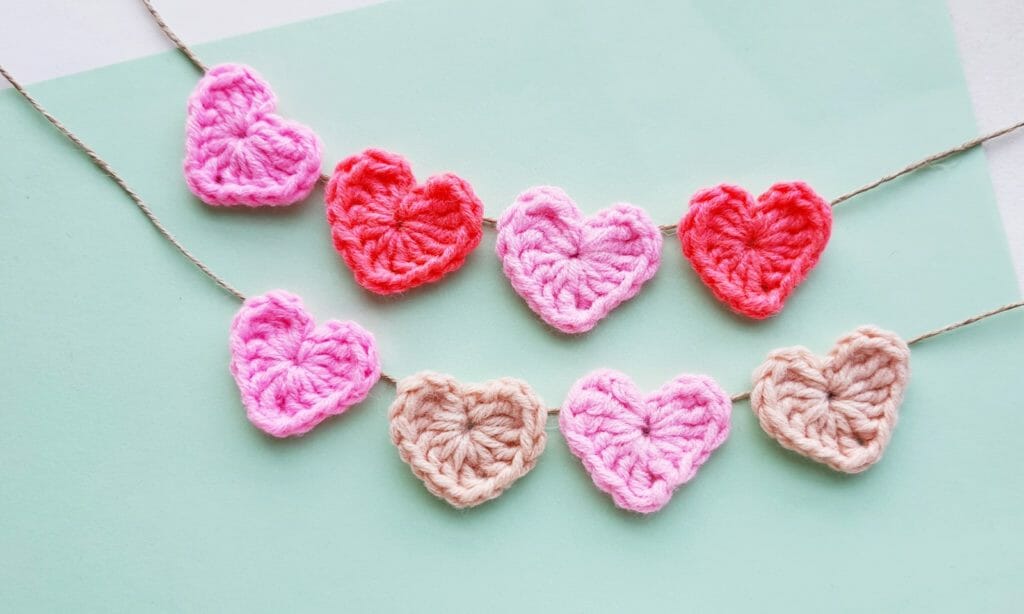
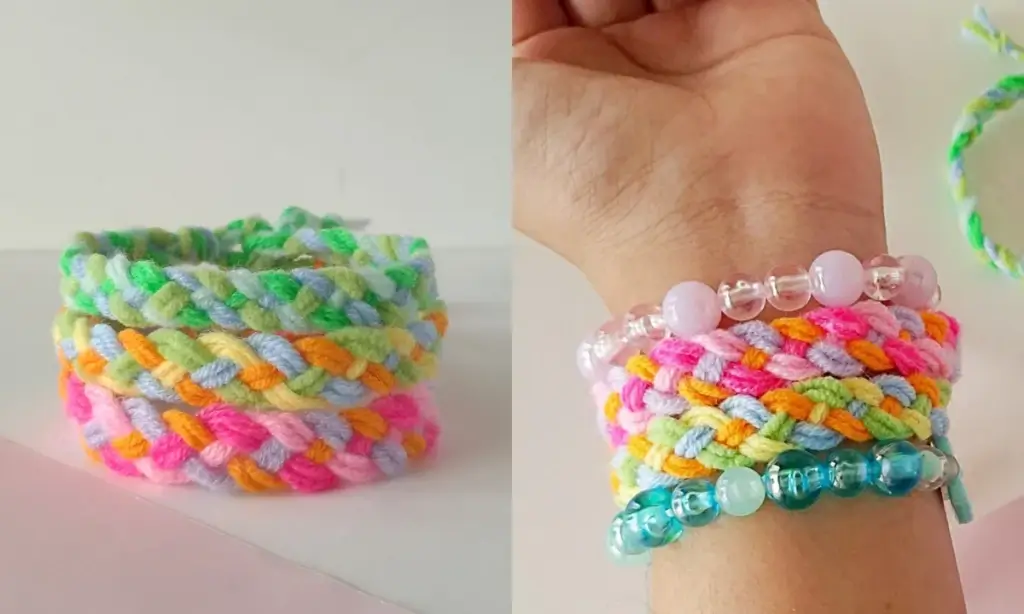
A collection of beginner-friendly finished crochet projects

What Makes Crochet Worth Learning

Crochet uses a single hook and yarn to create fabric by pulling loops through other loops. One hook. One working loop at a time.

This is different from knitting, which keeps many live stitches on two needles at once. Crochet is generally easier to learn because you’re only managing one active stitch. If you drop it, you find it. If you make a mistake, you pull back a few stitches and carry on. The recovery is fast and forgiving.

It’s also portable in a way most crafts aren’t. A small project fits in any bag. You don’t need a table or a workspace. You can crochet on a sofa, on a commute, in a waiting room. That flexibility is one of the main reasons people stick with it long term.

And once you know two stitches, you can follow most beginner patterns. The learning curve is short. The project range is enormous.

How Long Does It Take to Learn Crochet?

Most people can make their first complete project within a weekend. That’s genuinely how the skill works.

Day one is awkward. Your tension will be uneven. Your chain will look crooked. That’s normal and it fixes itself after about 30 minutes of practice. By the end of your first session you’ll have the chain stitch down.

Day two you add the single crochet stitch. By the end of that session you can follow a beginner pattern.

What takes longer is consistency. Getting your tension even across a whole project, reading a pattern without stopping to decode it. That comes after two or three finished projects, not two or three hours.

Start with a small project. Finish it. Then make another one.

The Tools You Actually Need

You don’t need much. Here’s what matters.

A crochet hook

Hooks are sized by the diameter of the shaft. A larger hook makes larger stitches. For beginners, a 5mm hook (US size H-8) is the standard starting point. It’s big enough to see what you’re doing without making the stitches look loose.

Metal hooks are smooth and fast. Ergonomic hooks with rubber handles reduce hand fatigue if you’re planning to crochet for more than 30 minutes at a time. Either works for learning.

Yarn

Not all yarn is the same. Every ball of yarn has a weight, and weight determines how your project looks, how fast it works up, and which hook to use.

For beginners, use a medium weight yarn, also called worsted weight or weight 4. The Craft Yarn Council publishes the standard yarn weight system used on every commercial yarn label. For now, just look for the number 4 on the label. It works with a 5mm hook and is available in every craft store.

Avoid anything labeled “fuzzy,” “bouclé,” or “mohair” when you’re learning. Those textures hide your stitches and make it hard to see what you’re doing.

A yarn needle

Also called a tapestry needle. You use this to weave in your yarn ends when a project is finished. Blunt tip, large eye. They cost almost nothing.

Scissors

Any scissors that cut cleanly.

That’s the complete beginner toolkit. Four things.

The Stitches You Need to Know

Every crochet pattern is built from a small set of stitches. As a beginner, you only need three to follow most patterns on this site.

The chain stitch

This is how every crochet project begins. You make a slip knot, put it on your hook, and pull loops through loops to create a chain. The chain is your foundation row. Everything else gets built on top of it.

I have a full tutorial on how to crochet chain stitch like a pro. Spend 10 minutes practicing it before you move on. Once your chain looks even and consistent, you’re ready for the next step.

The single crochet stitch

The most fundamental stitch in crochet. It creates a dense, even fabric that works for coasters, decorations, small shaped objects, anything where you want solid texture.

My tutorial on how to do a perfect single crochet stitch as a beginner covers tension, turning chains, and the mistakes that make beginner rows look uneven. Work through it once and then jump straight into a project.

The double crochet stitch

Not essential on day one, but worth knowing once you’ve finished your first project. The double crochet is taller than the single crochet, so your work builds up faster and creates a slightly more open fabric. It’s used in most intermediate patterns. You’ll pick it up naturally once the single crochet feels steady.

How to Read a Crochet Pattern

Most beginners skip this and then get confused halfway through a project. Don’t skip it.

Crochet patterns use abbreviations. Once you know them, patterns stop looking like code. Here are the ones you’ll see in every beginner pattern on this site:

Abbreviation Meaning
chchain
scsingle crochet
dcdouble crochet
hdchalf double crochet
sl stslip stitch
ststitch
reprepeat
* … *repeat the section between the asterisks

A pattern that says “ch 10, sc in each st across (10 sc)” means: make a chain of 10, then work a single crochet into each chain. You’ll end up with 10 single crochets. Once that logic clicks, every other pattern follows the same structure.

Crocheting in Rows vs. Crocheting in Rounds

Some projects are flat and worked in rows. Some are three-dimensional and worked in rounds.

Rows work exactly the way they sound. You work across, turn, and work back. Coasters and flat decorations are usually worked in rows.

Rounds are worked in a continuous spiral or joined circle. Pumpkins, snowflakes, stars, and most shaped objects are worked in rounds. You don’t turn at the end of each round. You just keep going in the same direction.

Which feels easier is personal. Try both and see which one you settle into naturally.

What Is Gauge and Should Beginners Care?

Gauge is how many stitches and rows fit into a 10cm square. Patterns for garments specify a gauge so your finished piece matches the intended measurements.

For the projects on this page, gauge doesn’t matter. A coaster that’s slightly larger than mine is still a coaster. A crochet pumpkin that’s a bit smaller is still a pumpkin.

Where gauge matters is when something needs to fit precisely: a hat, a bag with specific dimensions. When you get there, the pattern will tell you the expected gauge. For now, don’t worry about it.

Crochet Projects: Where to Start

I’ve organized the tutorials by type and roughly by difficulty. Start at the top and work down.

Foundation Skills

If you’ve never crocheted before, these two tutorials are your first stop.

Simple Projects to Build Confidence

Once you have the basics, make something you can actually use or display.

Seasonal Projects

A seasonal deadline gives your project purpose. These are all small enough to finish before the occasion passes.

Christmas

Halloween

Spring and Everyday

Free Crochet Patterns

Every tutorial above that has a pattern comes with a free download. All of them are available inside Craftaholic Community in the Free Templates & Tutorials space. Joining is free.

Looking for everything in one place? The Patterns & template space has all tutorials organized and easy to browse.

Join Craftaholic Community

Get free access to all our downloadable patterns, templates, and a supportive crafting space.

Join for Free

It’s 100% free to join.

If You Want to Try Something Different

If you’ve finished your first crochet project and want to branch out, here are two natural next steps.

Plushies and soft toys: The 3D shaping logic in the crochet pumpkin and Christmas tree translates well to felt. The plushies and soft toys section has patterns for gnomes, felt animals, and stuffed figures that use similar construction thinking.

Paper crafts: For something that uses completely different materials, paper crafts is worth exploring. Paper is forgiving, cheap, and the project range is huge.

For a full Christmas project list across all craft types, the Christmas crafts page brings together crochet, paper crafts, origami, and home decor in one place.

Frequently Asked Questions

Is crochet easy to learn for complete beginners?

Yes. Crochet is one of the more accessible hand crafts to pick up because you only manage one live stitch at a time. Most beginners can complete a small project in their first weekend. The chain stitch and single crochet are all you need to start.

What is the difference between crochet and knitting?

Crochet uses one hook and works one loop at a time. Knitting uses two needles and keeps many loops active at once. Crochet is generally faster to learn because there are fewer live stitches to track, and mistakes are easier to fix.

What crochet hook size should a beginner use?

A 5mm hook (US size H-8) is the standard beginner recommendation. It’s large enough to see your stitches clearly without making the fabric look loose. Pair it with a medium weight (worsted weight, weight 4) yarn.

What is the best yarn for beginners?

Use a smooth medium weight yarn labeled weight 4 or worsted weight. Smooth yarn lets you see your stitches clearly. Avoid fuzzy, textured, or mohair yarns until you’re comfortable with the basics.

How many stitches do I need to know to make beginner crochet projects?

Two: the chain stitch and the single crochet stitch. Every beginner project on this site uses one or both. The double crochet is worth learning after your first project, but you don’t need it on day one.

Where can I download the free crochet patterns?

All free patterns are inside Craftaholic Community in the Free Templates & Tutorials space. Joining is free.

Muhaimina Faiz

Muhaimina Faiz is a craft artist and educator who has been teaching crafts since 2015. She has published crochet tutorials on this site and on Instructables, won over 50 international crafting competitions, and been featured in Good Housekeeping, The Spruce Crafts, and Yahoo. Every tutorial on this site is made and tested before it’s published.